
So why was our trip to Japan, in which we spent much of our time in transit between and around Tokyo, Kyoto, and Osaka, a historically faithful experience? Back in the time of the Tokugawa shogunate (1603-1868), a lot of people did a lot of expensive and time-consuming traveling back and forth between Tokyo and Kyoto, just like us! Well, not just like us—I bet the samurai would have been pretty thrilled to have a bullet train.
The route we took more or less followed the path of the old Tōkaidō (東海道) or “Eastern Sea Road.”
[Quick aside on language: the – mark over some vowels in romanized Japanese words indicates a vowel that is held longer than an unmarked one. So the difference between o and ō isn’t that one is pronounced like the o in “along” and one is pronounced like the o in “alone”; it’s something like the difference between the o in “alone” and drawing out the o, like “alooone.” If I were being more rigorously academic, I’d put in the marks every time I wrote a Japanese term, so Tokyo would become Tōkyō, Kyoto Kyōto, and Osaka Ōsaka. But that seems a bit silly.]
The Tokaido was one of five important thoroughfares established by the Tokugawa shoguns to ease movement between their seat of power in Edo (now called Tokyo) and other population centers.

In the early 1600s, the Tokugawa family were the most recent to win the title of “shōgun” (將軍), the word that had referred to the most powerful general and de facto ruler of Japan since the late 1100s. Technically the emperor was in charge and appointed the shogun, but it was always clear who was the real boss. Anyway, by the early 1600s, after a chaotic period of warfare, the Tokugawa family took the title, and they were keen to keep it.
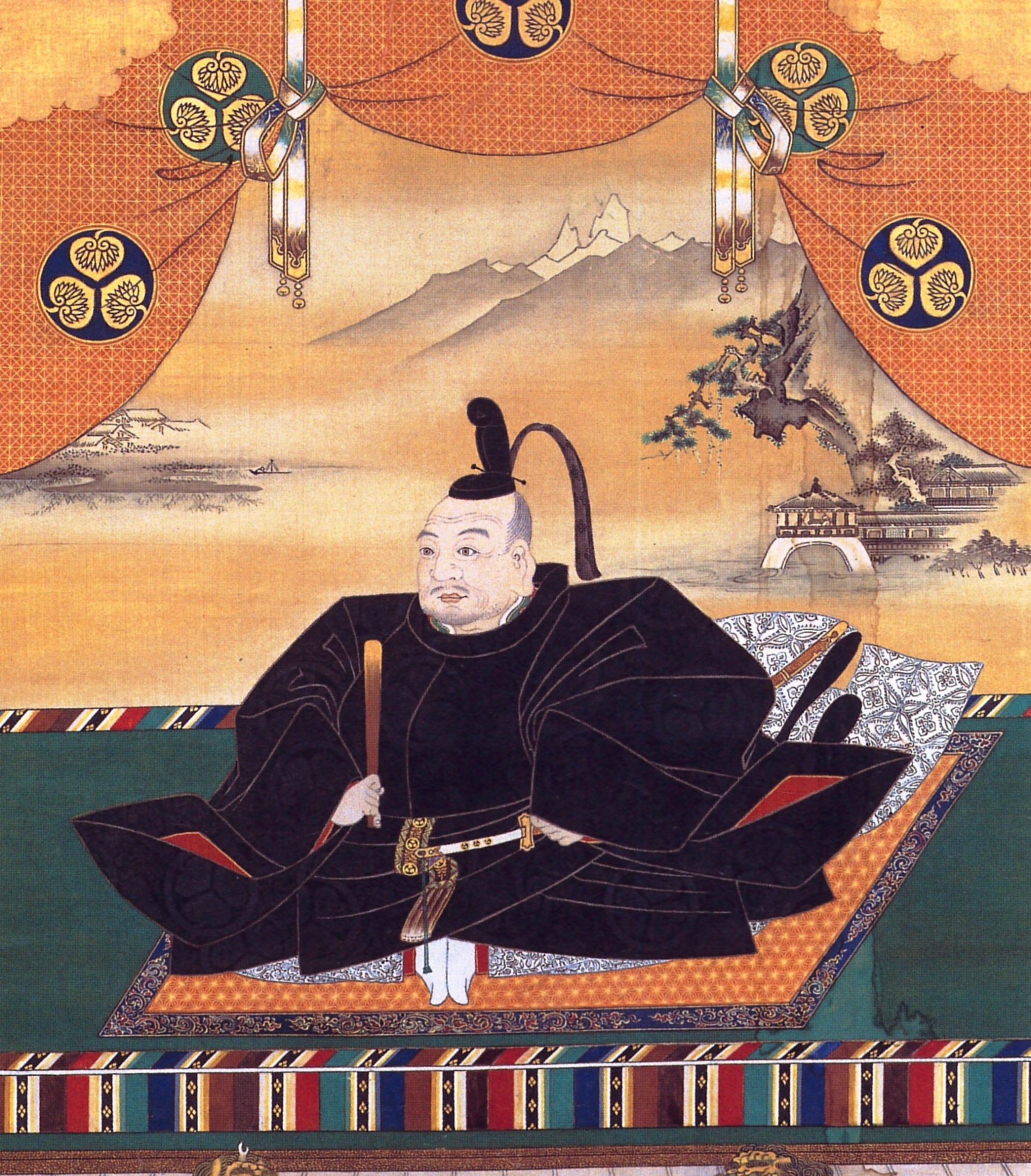
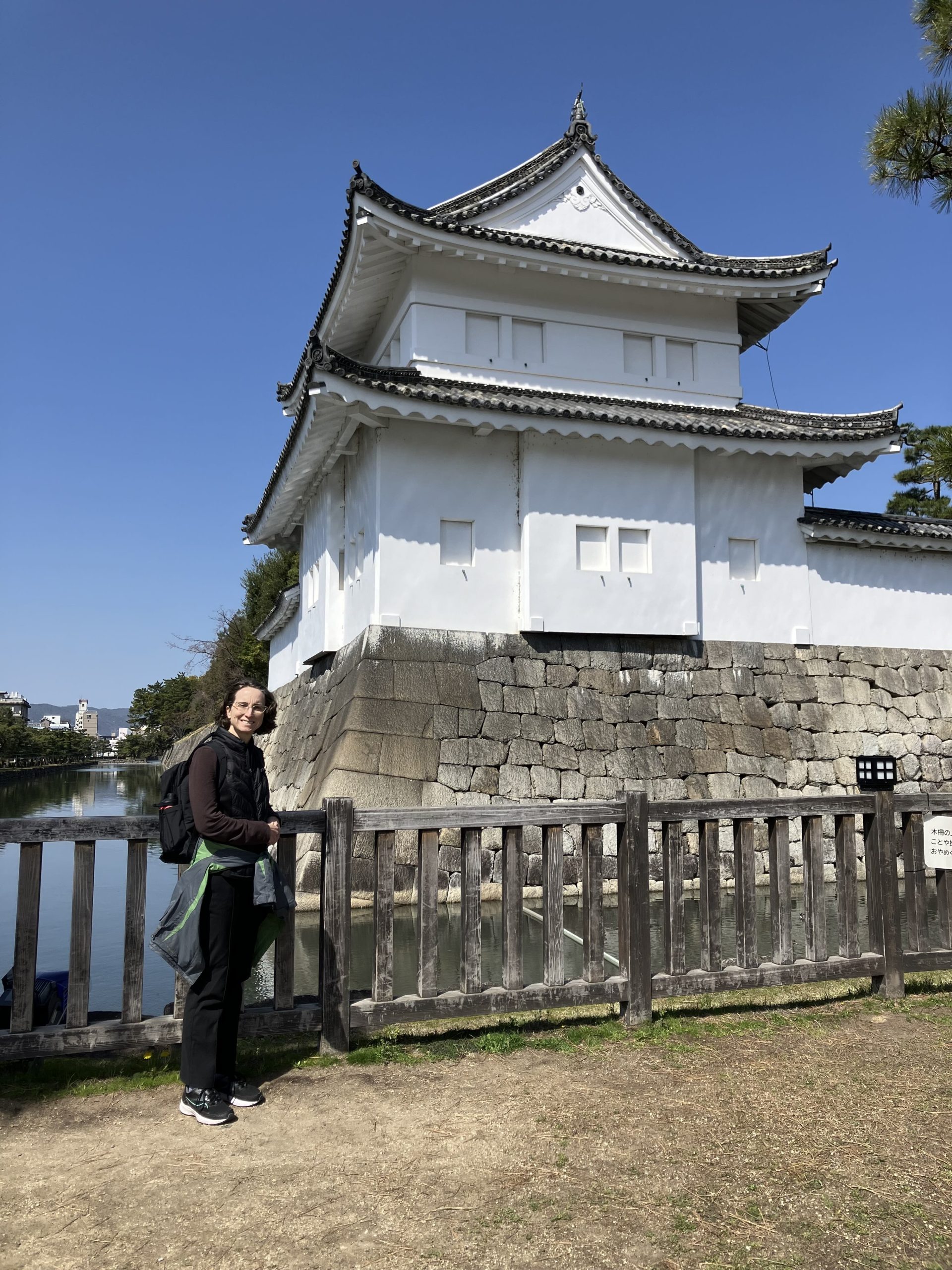
They took a number of measures to make sure no one would challenge their authority, and those seem to have worked well; they didn’t lose power until 1868, two hundred and sixty-five years later. Their main concern was the daimyō, the regional rulers who were supposed to contribute their warriors and their treasure to the shogun’s endeavors. Some number of these men probably coveted the top job themselves; as the Confucian thinker Mencius had pointed out a couple of millennia earlier, it’s the second-most-powerful folks who are the most likely to topple the most-powerful ones. So the Tokugawas kept them in check by inaugurating the alternate-attendance system.
The alternate-attendance system required each of the roughly 300 daimyo to alternate every other year between living in the shogun’s city, Edo (Tokyo)** and living in their own domains in other parts of the archipelago. This was a hugely disruptive pain the rear for them. It meant they had to build a daimyo-worthy residence in Edo in addition to the one they had back home, and once a year they had to pack up and process to or from Edo, a long and tedious journey even if their domain was nearby, and even more so if it was on a different island. This meant that they were spending half their time living near the shogun, where he could keep a close eye on their activities, and not in their own domains consolidating alliances and building up their armies. It meant that they sank a good chunk of their resources into maintaining two households and journeying back and forth, instead of, say, buying more weapons and fortifying their castles. And if the daimyo were tempted to cause trouble despite the rigors of alternate attendance, the shogun had one more powerful card to play. While the daimyo were in their own domains, their wives and heirs had to remain in Edo as the shogun’s hostages (pampered hostages, but still—no leaving).
Not only does this seem to have kept potential challengers at bay, but also it opened up a vibrant culture of travel in Japan. The five thoroughfares, including the Tokaido whose path we followed on the bullet train, made getting from one part of Japan to another much easier. Large groups of people with money to spend frequently passed through—after all, when you’re a daimyo, you travel with a retinue including your trusted samurai, household staff, and so forth.
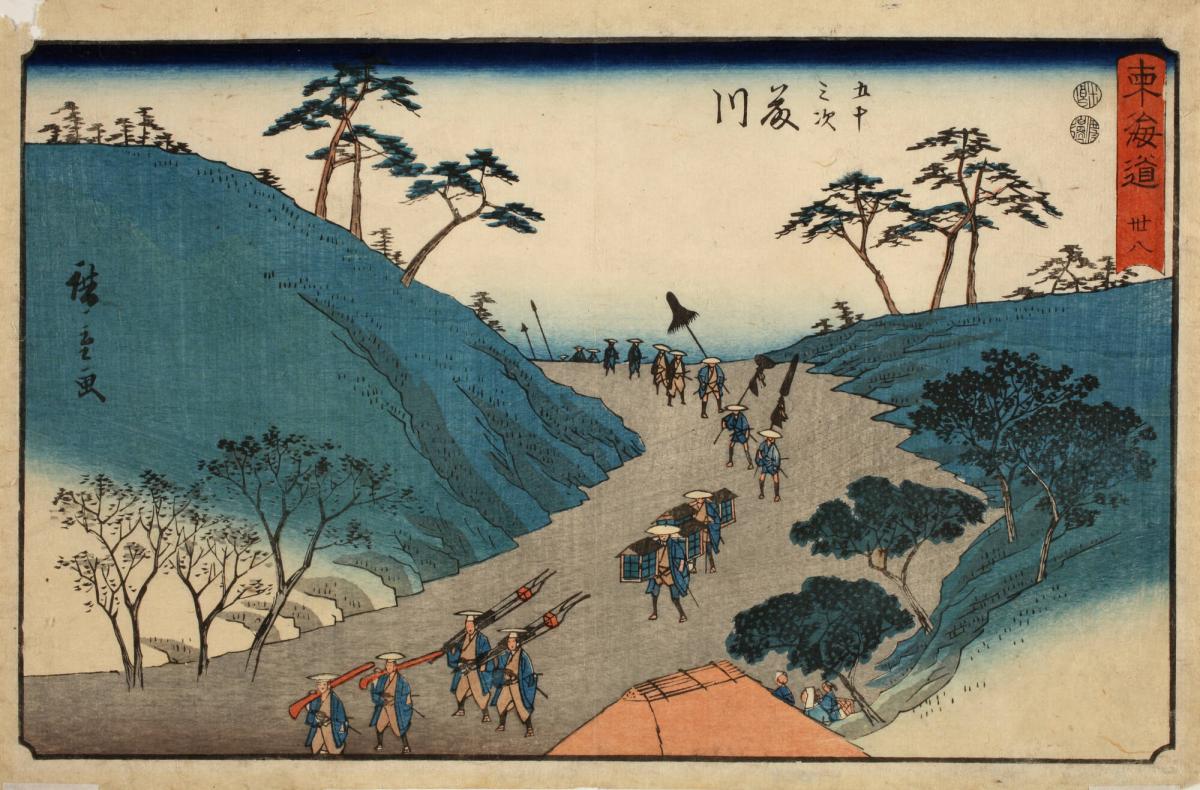
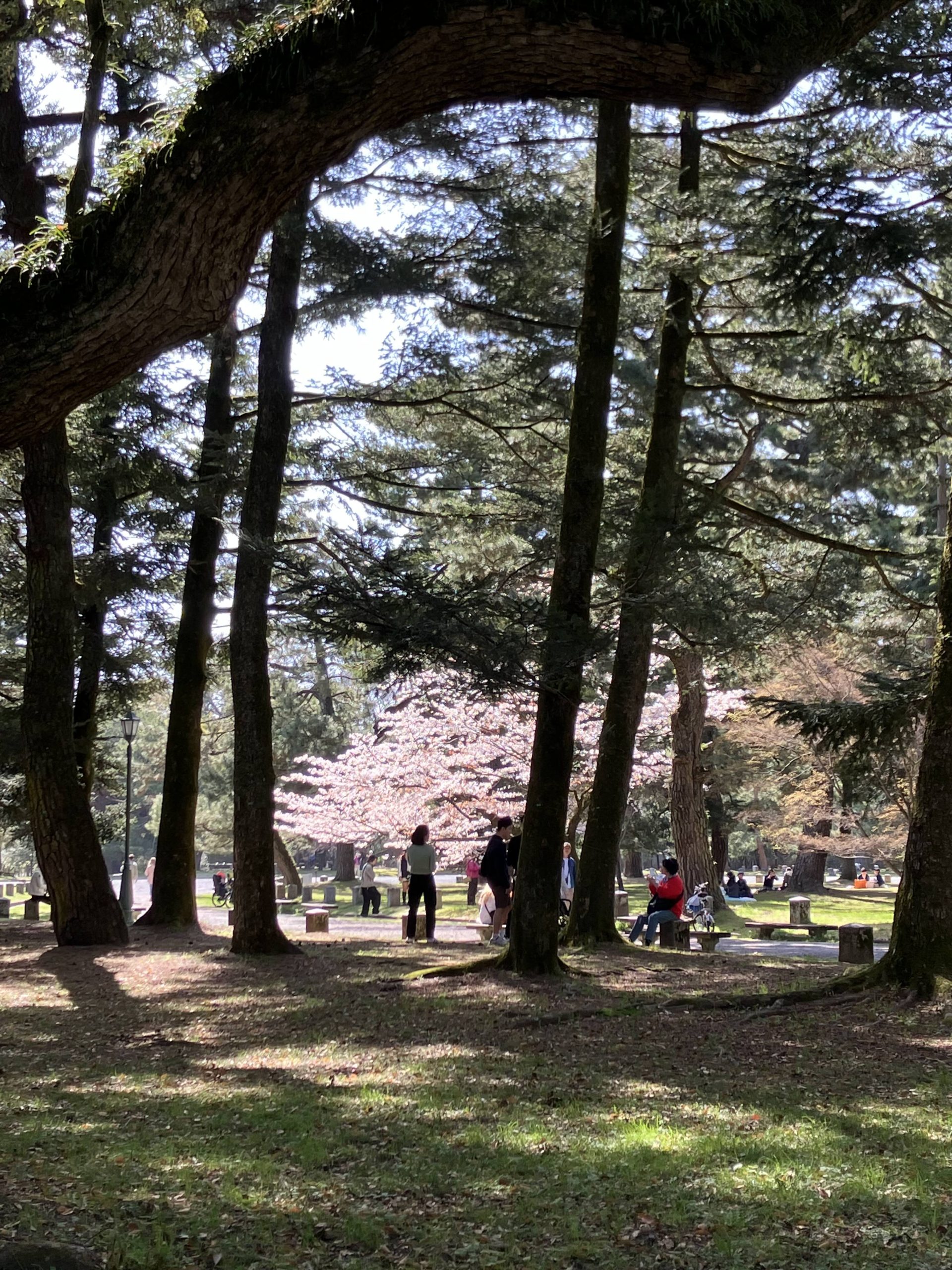

So the Tokugawa government also established stations along the road with inns and taverns to serve officials’ needs. These were soon supplemented by the teahouses and other establishments built by enterprising merchants to serve general travelers. Today getting off at any Shinkansen (bullet train) station will put you in a whirlwind of commerce, with fast-food and souvenir and luxury-goods shops radiating out around the station turnstiles in vast underground malls. In the 1800s, some of the stations on the Tokaido had that same kind of hustle and bustle—smaller scale, of course, not underground, but lots of buying and selling, coming and going.


The famous artist Utagawa Hiroshige was so taken with the experience after traveling the Tokaido in the early 1800s that he immortalized it with his set of woodblock prints showing each of the fifty-three stations along the road from Kyoto to Edo. These are a delightful glimpse of life in Japan 200 years ago. As S and I made our way between Tokyo, Kyoto and Osaka, it was fun to think we were retracing (at least, in a general way) that same path.
**The meaning of the names Tokyo and Kyoto tells you something about the history and relationship of these two cities. You may have noticed that they are very similar—in fact, when romanized like that they appear to just reverse the first and second syllable. When you see the names in Japanese it becomes clear that this isn’t just a reversal of the same two characters. Tokyo is
東京 and Kyoto is
京都,
but you can see that they do have one character in common: kyō, 京. This character means “capital.” In Chinese it is pronounced “jing” and it is the jing in Beijing 北京, which literally means “Northern Capital.” During the nearly 700 years of the shogunate, the emperor lived in Kyoto, so according to the fiction that he (and not the shogun) ruled Japan, his city was the capital. But after the Meiji Restoration in 1868, the emperor moved to Edo–and today the imperial family still lives on an astonishingly big swath of forested land smack in the middle of the city.
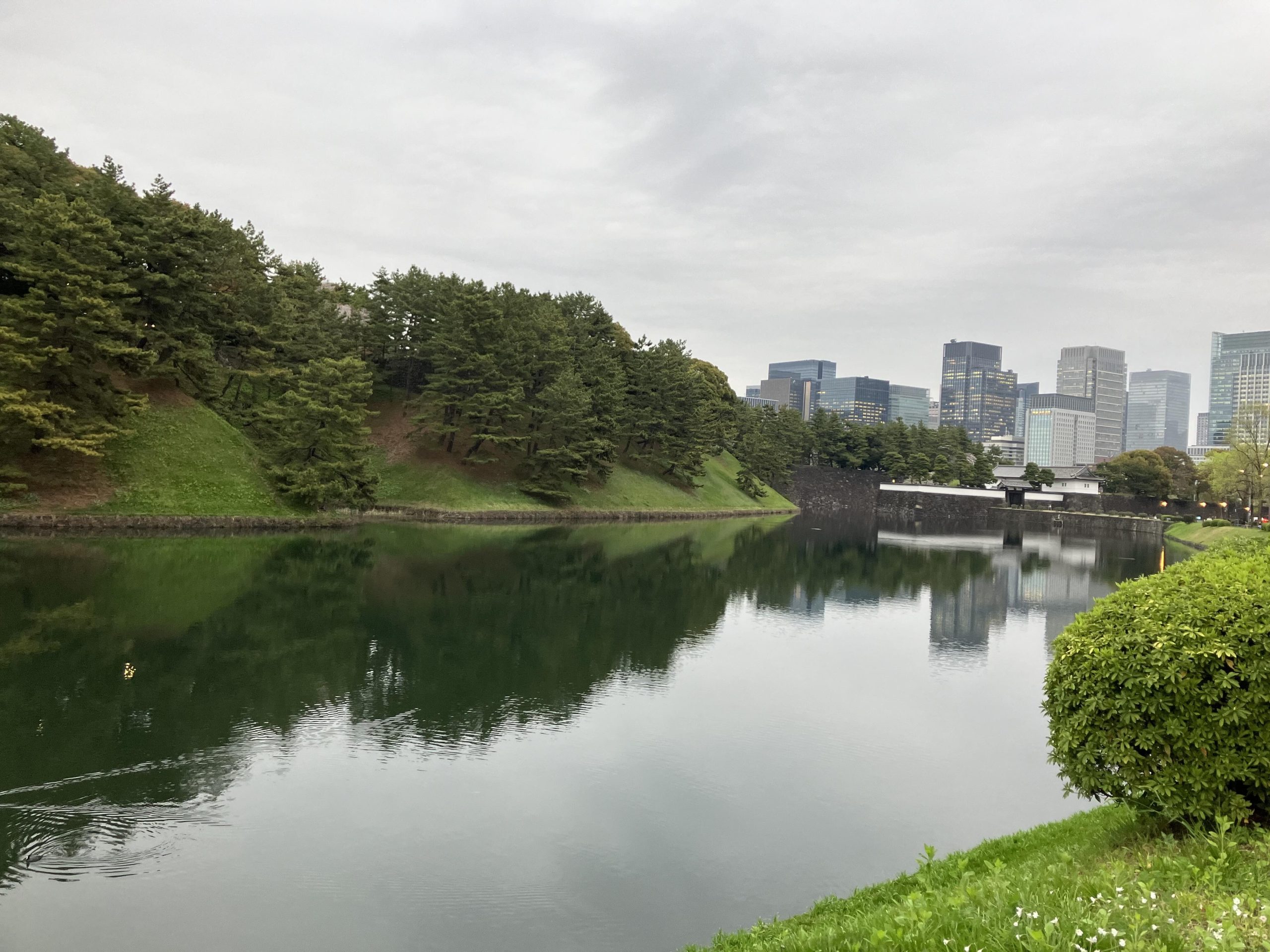

Hence Edo was renamed Tokyo, meaning “Eastern Capital,” recognizing its geographical location to the east of the longtime capital of Kyoto. Kyoto remained, simply, “Capital City.” And here–forgive me–I can’t resist the Simpsons reference:
Capital City clip: https://www.youtube.com/watch?v=–XyMoHgWG0]